Sedative Groups

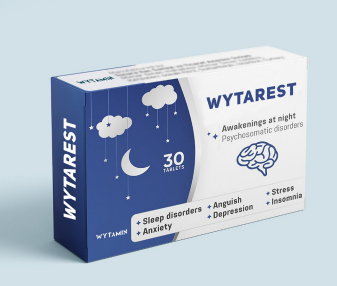
  • Melissa Officinalis (Lemon Balm): This herb is recognized for its calming effects on the nervous system. It is often used to reduce stress, improve mood, and aid in sleep. Melissa Officinalis also has antiviral properties.
  • Passiflora incarnata flower (Passion Flower): Passionflower is used to treat anxiety, insomnia, and restlessness. Its flavonoids and alkaloids are believed to contribute to its sedative and anxiolytic effects.

See Ingredients Table

  • Valerian (Valeriana officinalis): Valerian root is one of the most commonly used herbal supplements for improving sleep quality and reducing stress and anxiety. Its active compounds, such as valerenic acid, interact with the brain to produce a calming effect.

See Ingredients Table

Valerian, passionflower and lemon balm are a traditional herbal medicinal product containing the active ingredients from three different medicinal plants.
The extracts promote sleep readiness through their calming properties, improve
thereby the quality of sleep and thus contribute to a good night’s sleep.

See Ingredients Table

Products like “Quality Calm & Sleep” that combine these herbal ingredients aim to provide a natural remedy for individuals suffering from sleep disorders and anxiety. The formulation of such products is based on the synergistic effects of these herbs, potentially offering a holistic approach to achieving calmness and improving sleep quality.

See Ingredients Table

While no supplement is a magic pill, some people say certain types can help lower anxiety levels, tame sleep troubles, ease depression symptoms and more. Although these claims are often over hyped, there is some evidence that dietary supplements can be part of a holistic approach to reducing stress, along with a healthy diet and other lifestyle changes.

See Ingredients Table

Immune Group

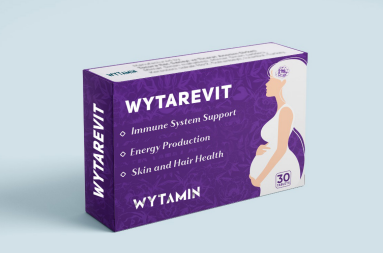
Your immune system needs certain vitamins and minerals to work properly. These include Vitamin C, Vitamin D, and Zink. Herbal supplements, probiotics and other dietary supplement ingredients might also affect your immune system.

Eating a variety of nutritious foods can give you enough vitamins, minerals, and other nutrients for a healthy immune system. However, you might wonder whether taking certain dietary supplements can improve your body’s immune system and its ability to fight infections.

See Ingredients Table

A healthy balanced diet will help you build healthy bones from an early age and maintain them throughout your life. You need sufficient calcium to keep your bones healthy and vitamin D to help your body absorb calcium. Poor bone health can cause conditions such as rickets and osteoporosis and increase the risk of breaking a bone from a fall later in life.

See Ingredients Table

Mood stabilizers can also be used to lower anxiety, depression and anger.  They work by balancing certain brain chemicals to stabilize one’s mood.

Generally, mood stabilizers are of the pharmacological variety — yet there more natural mood stabilizers that work for depression and anxiety.

See Ingredients Table

Our bodies make some of the antioxidants we need. Additional antioxidants come from foods, such as fruits, vegetables, and grains. Some antioxidants, such as vitamins C and E and beta-carotene, are also available as dietary supplements.

See Ingredients Table

Youth Growth Group

Children’s multivitamins are nutritional allies, packing various vitamins, minerals, and other nutrients. They boost immunity, foster healthy body development, and help counter selective eating and dietary imbalance. Thus, they have become the go-to choice for many parents. The need for a children’s multivitamin is dictated by individual circumstances. A balanced diet rich in protein, vitamins, and minerals might suffice, eliminating the need for extra supplements. However, these nutritional supplements might benefit children with unbalanced diets, selective eating habits, certain illnesses, or a tendency to fall sick often. Children’s multivitamins are typically recommended for children over four years old, a fundamental growth stage requiring enhanced nutrition. However, some brands design multivitamins for specific age groups, even catering to infants over six months old with poor digestion and selective eating habits.

Although children’s multivitamins are available over-the-counter, consulting with a healthcare professional is always advised for tailored recommendations based on a child’s health condition and dietary habits.

See Ingredients Table

As an antioxidant, vitamin C reduces free radicals formed in the body, and helps prevent them from damaging your child’s healthy body cells.

Another important function of vitamin C is the role it plays in aiding the healthy growth and development of your child’s bones and teeth (7).

Ensuring your child consumes adequate amounts of vitamin C during their early years may help to support their healthy bone building. This is particularly relevant for young children, who experience rapid periods of growth. Vitamin C supports the absorption of dietary iron (3), another nutrient that is important for supporting your child’s general health and development.

See Ingredients Table

Vitamin D is essential for helping children grow strong bones and teeth. Getting enough vitamin D is essential so kids’ bones can grow strong and their immune systems can ward off illness. Vitamin D gets into the body through absorption of sunlight and ingestion of food. From April through the end of October, spending just 15 to 30 minutes outside in the middle of the day with hands and face exposed will stimulate the skin to make all the vitamin D your child needs.

Not only does it help absorb calcium from food sources into the body, but it also helps with muscle contraction and nerve cell communication, as well as promoting healthy blood pressure levels and immune system function. With so many potential benefits associated with proper levels of this important nutrient, and the limited sunlight we have in European Countries including the UK, it’s a great time to take a look at how much vitamin D your child is receiving.

Knowledge of vitamin D in the health of children has grown greatly over the years, extending past the importance for calcium homeostasis and bone growth. There is growing recognition of the role vitamin D plays in health impacting the innate immune system to prevent infections and the adaptive immune system to modulate autoimmunity. Other studies are starting to reveal the neuro-hormonal effects of vitamin D on brain development and behavior, with a link to mental health disorders. Many of these effects start well before the birth of the child, so it is important that each pregnant woman be assessed for vitamin D deficiency and supplemented for the best possible health outcome of the child. Current recommended doses of vitamin D supplementation fall short of what is needed to obtain ideal daily levels. 

See Ingredients Table

Omega-3 fatty acids are essential for health including heart health and brain health. The European
Food Safety Authority allows health claims2
to be made on a product providing eicosapentaenoic acid
(EPA) and docosahexanoic acid (DHA) for:
• The maintenance of normal blood pressure
• The maintenance of normal blood triglycerides (a type of blood fat)
• The maintenance of normal heart function
“In the UK, mean daily consumption of oily fish, which is the main source of omega-3s (DHA and
EPA) remains well below the recommended one portion – 140g – a week across all age groups. This
amount of oily fish (140g) is approximately equivalent to 500mg omega-3s each day. Oily fish intake
per week is 56g for 19–64-year-olds and 84g for older people. As a result, the current intakes of oily
fish do not achieve the recommended consumption levels in any age group resulting in a shortfall in
omega-3s across the population.

See Ingredients Table

Add to cart